MRI Upload

TL;DR: BPH prostate natural remedies are popular because they are easy to try at home, but their effectiveness is mixed and often limited to symptom support. This blog explains why BPH causes urinary problems, what natural remedies for BPH can and cannot do, and when medically proven care is more likely to provide meaningful relief.
- BPH is a noncancerous prostate enlargement that can narrow the urethra, leading to weak stream, urgency, and nighttime urination
- Benign prostatic hyperplasia natural remedies may help some men manage mild symptoms, but they have not been proven to be a permanent solution
- Saw palmetto is widely used and likely has a similar mechanism of action as some prescription medications
- Lifestyle changes like fluid timing, reducing caffeine or alcohol, exercise, and double voiding can improve day to day comfort for some men
- When symptoms persist or worsen, medically effective treatments address the blockage directly through medications or procedures, including minimally invasive options like Laser Focal Therapy/Focal Laser Ablation and TULSA PRO
It makes sense that people dealing with benign prostatic hyperplasia (BPH) consider all of their options. For some men dealing with this disease, that includes a review of BPH prostate natural remedies.
In general, the effectiveness of these natural remedies is mixed or requires more research to determine. Some may provide relief of the urinary symptoms and other symptoms that come with BPH, but none have been proven to be a permanent cure.
Keep reading to learn more about BPH prostate natural remedies and proven medical treatments for prostate cancer. We’ll also answer some frequently asked questions about BPH remedies.
Understanding BPH and the Role of Natural Remedies
Benign prostatic hyperplasia is a noncancerous enlargement of the prostate that becomes more common with age. The prostate sits below the bladder and surrounds the urethra. As prostate tissue grows, it can press on the urethra and interfere with urine flow. That pressure can also affect how well the bladder empties.
This is why symptoms often feel “urinary,” even though the underlying issue is prostate tissue creating a bottleneck. According to the Mayo Clinic, many men notice one or more of the following BPH symptoms:
- A weaker urine stream
- Trouble starting urination
- Dribbling after urinating
- Feeling like the bladder does not fully empty
- Needing to urinate more often, especially at night
Some men mainly struggle with sleep because of nighttime urination. Others feel urgency that makes errands or long drives stressful. In more severe cases, BPH can contribute to complications like urinary retention or recurrent urinary tract infections. As a result, it is worth taking persistent symptoms seriously.
Also note that other conditions can create similar symptoms, including conditions of the bladder or urinary tract. A physician can help confirm what is driving the symptoms and whether the prostate is playing a central role.

What Is Appealing About BPH Natural Treatments?
For many men, the first instinct is to search for something they can do at home to ease the uncomfortable symptoms of BPH. Supplements and lifestyle changes are both accessible and easy to try without a prescription. Some men also worry about medication side effects or want to avoid relying on medications long-term.
It’s important to note that BPH symptoms can fluctuate. A man might have a few rough weeks, adjust his evening fluids, and feel better for a while. That experience can make natural approaches seem effective, even if there is no major physical change in the underlying prostate growth.
That doesn’t mean lifestyle adjustments aren’t worthwhile. Harvard Health highlights that simple habits can help reduce urinary symptoms for some men, even if those habits are not actually shrinking the prostate.
Commonly Discussed BPH Prostate Natural Remedies
When people talk about natural remedies for BPH, they are usually talking about either supplements or lifestyle adjustments. It’s important to note that not every remedy that helps you feel better will actually treat the underlying cause. In most cases, natural remedies will not actively treat BPH but can make it easier to manage.
Supplements
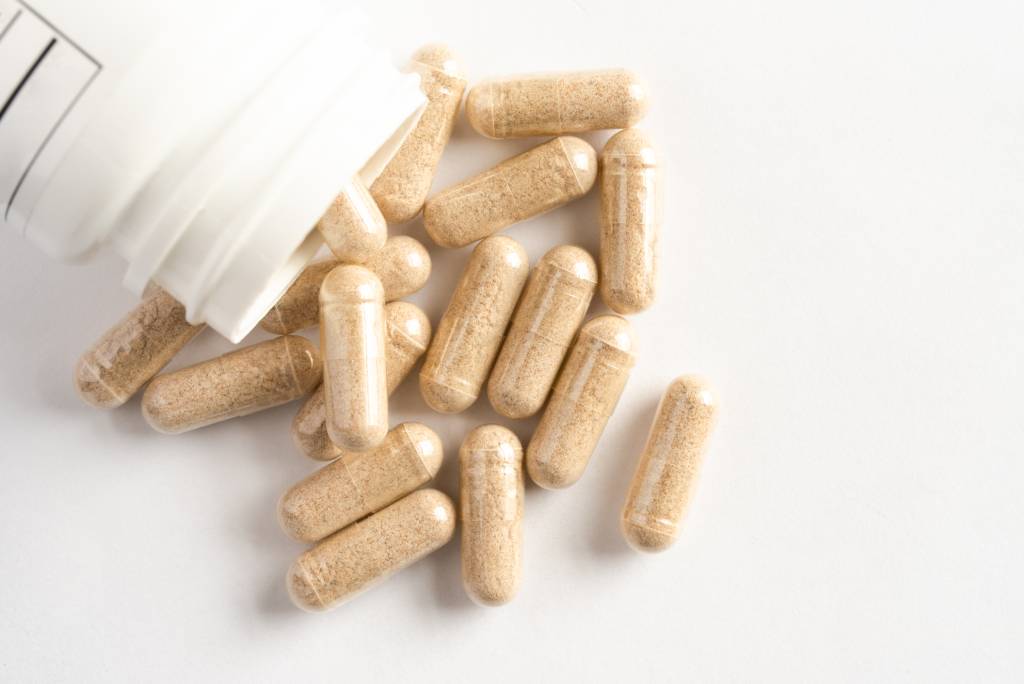
Saw palmetto is the most well-known supplement marketed for urinary symptoms related to BPH. It is often described as a traditional remedy, and you will see it included in many “prostate health” blends. The challenge is that higher-quality research has been mixed.
The National Center for Complementary and Integrative Health notes that while some smaller studies suggested modest improvement, larger and more rigorous evidence has found saw palmetto is not more effective than a placebo for urinary symptoms related to BPH.
Other supplements commonly mentioned as BPH natural remedies include beta sitosterol, Pygeum, and rye grass pollen. Some studies suggest possible symptom improvements for certain extracts or formulas, but results vary. Likewise, supplement quality can differ significantly between brands. That variability makes it hard to predict whether an over-the-counter product will help a specific person.
Lifestyle changes
Lifestyle approaches are often more practical and lower risk than supplements. They can improve day-to-day comfort for some men, and some of them can improve your overall health and wellness.
Examples that many physicians discuss with patients include:
- Limiting fluids for a few hours before bed if nighttime urination is a major problem
- Reducing caffeine or alcohol if they worsen urgency or frequency
- Maintaining a healthy weight and staying physically active
- Taking time to fully empty the bladder, sometimes called double voiding
When searching for natural remedies for benign prostatic hyperplasia, the key takeaway is to set your expectations appropriately. Lifestyle changes are not typically considered frontline treatment for BPH, and more research is needed to confirm their effectiveness. It can be helpful to think of these adjustments as complementary, as they have not been proven to reliably shrink the prostate or address the underlying obstruction itself.
Medically Effective Treatments for BPH
If symptoms are persistent, worsening, or affecting sleep and quality of life, it often helps to step back and focus on what is actually causing the problem.
BPH is a mechanical issue as much as it is a biological one. Excess prostate tissue can narrow the urethra and strain the bladder. That is why symptom-focused approaches sometimes feel limited. You can reduce irritation and improve habits, but you may still be dealing with a physical blockage.
Medically proven treatments are designed to improve urine flow by addressing that obstruction. There are a range of options, from medications to procedures. The best choice depends on factors like symptom severity, prostate size, and, ultimately, patient preference.
Proven Medical Options for BPH
In many cases, physicians begin with medication. Common options include medications that relax muscles in the prostate and bladder neck to improve urine flow. There are also medications that can shrink the prostate over time by affecting hormone pathways. Mayo Clinic notes that medicines that shrink the prostate may take months to work well and can have sexual side effects, which may be a consideration when selecting a treatment option.
When medication is not effective enough, not tolerated, or not preferred, your physician may present procedural options. These approaches usually aim to remove or reduce the tissue that is blocking flow. There are many procedures in this category, and a physician typically matches the approach to the patient’s unique anatomy and preferences.
Advanced Treatments at Prostate Laser Center
Some men look for options that address the cause of urinary symptoms while aiming for a minimally invasive approach. Prostate Laser Center offers two treatment approaches for BPH that are designed to target obstructing prostate tissue.
Laser Focal Therapy
Laser Focal Therapy is a targeted approach intended to relieve obstruction while preserving surrounding tissue. The goal is to improve urine flow by treating the tissue that contributes to the blockage, rather than relying on supplements to manage symptoms.
TULSA PRO
TULSA PRO is an MRI-guided approach that uses ultrasound energy delivered through the urethra. Real-time MRI guidance supports treatment planning and monitoring.
Frequently Asked Questions About Natural Remedies for BPH
Do natural prostate remedies work?
Some BPH prostate natural remedies may provide mild symptom relief for certain men, particularly in early or less severe cases. Supplements and lifestyle changes can sometimes reduce urinary frequency or urgency, but there is no conclusive evidence that natural remedies shrink the prostate or stop BPH from progressing. From a physician’s standpoint, they should be viewed as supportive options, not curative.
What did the Native Americans use to cure the prostate?
Some Native American and Indigenous communities historically used plant-based remedies for urinary and reproductive health, including berries from the saw palmetto plant. Saw palmetto remains one of the most widely used supplements marketed for BPH symptoms. Modern clinical evidence on this supplement is mixed.
What is the best natural pill for an enlarged prostate?
There is no single best natural pill proven to treat an enlarged prostate. Products marketed as natural options vary widely in quality and effectiveness. Some men report symptom improvement, but results are inconsistent, and these products have not been shown to reverse prostate enlargement.
What is the fastest way to shrink an enlarged prostate?
The fastest and most reliable way to reduce prostate-related obstruction is through medically proven treatments, not natural remedies alone. A physician can help determine whether medication, a minimally invasive procedure, or another approach makes the most sense based on symptom severity and prostate anatomy.
Learn About Our Treatment Options For BPH
If BPH symptoms are impacting your quality of life, it may be time to look beyond benign prostatic hyperplasia natural remedies and talk with a physician about options that address the obstruction itself. A consultation can help you understand what is driving your symptoms and which approach is most likely to provide meaningful, lasting relief.
Learn more about treatment options for BPH at Prostate Laser Center.
NOTE: The information provided on this website is general medical information and does not establish a physician-patient relationship. Please discuss your particular situation with a qualified medical professional.